
A chinstrap holds your jaw gently closed while you sleep, which stops air from escaping through your mouth during CPAP therapy. If you wake up with a dry mouth, a sore throat, or notice your mask hissing at night, a chin strap is often the simplest fix. Here is how they work and how to choose one.
Why Mouth Leaks Happen During CPAP Therapy
CPAP therapy relies on a sealed path from your machine to your airway. If your mouth falls open during sleep, pressurized air escapes through it instead of doing its job. As a result, you lose therapy effectiveness, and you often wake up with a dry mouth or throat.
A cpap chin strap addresses this directly by gently supporting your jaw closed, without restricting normal movement or comfort. Because the jaw naturally relaxes during deep sleep, this issue often becomes more noticeable the longer someone has been on therapy, rather than right at the start.
Who Actually Needs One
Not everyone needs a chin strap. Side and back sleepers who breathe through their nose all night usually do not need one. However, if you are a known mouth breather, or if your partner notices you sleeping with your mouth open, a chin strap for sleeping through CPAP therapy is worth trying.
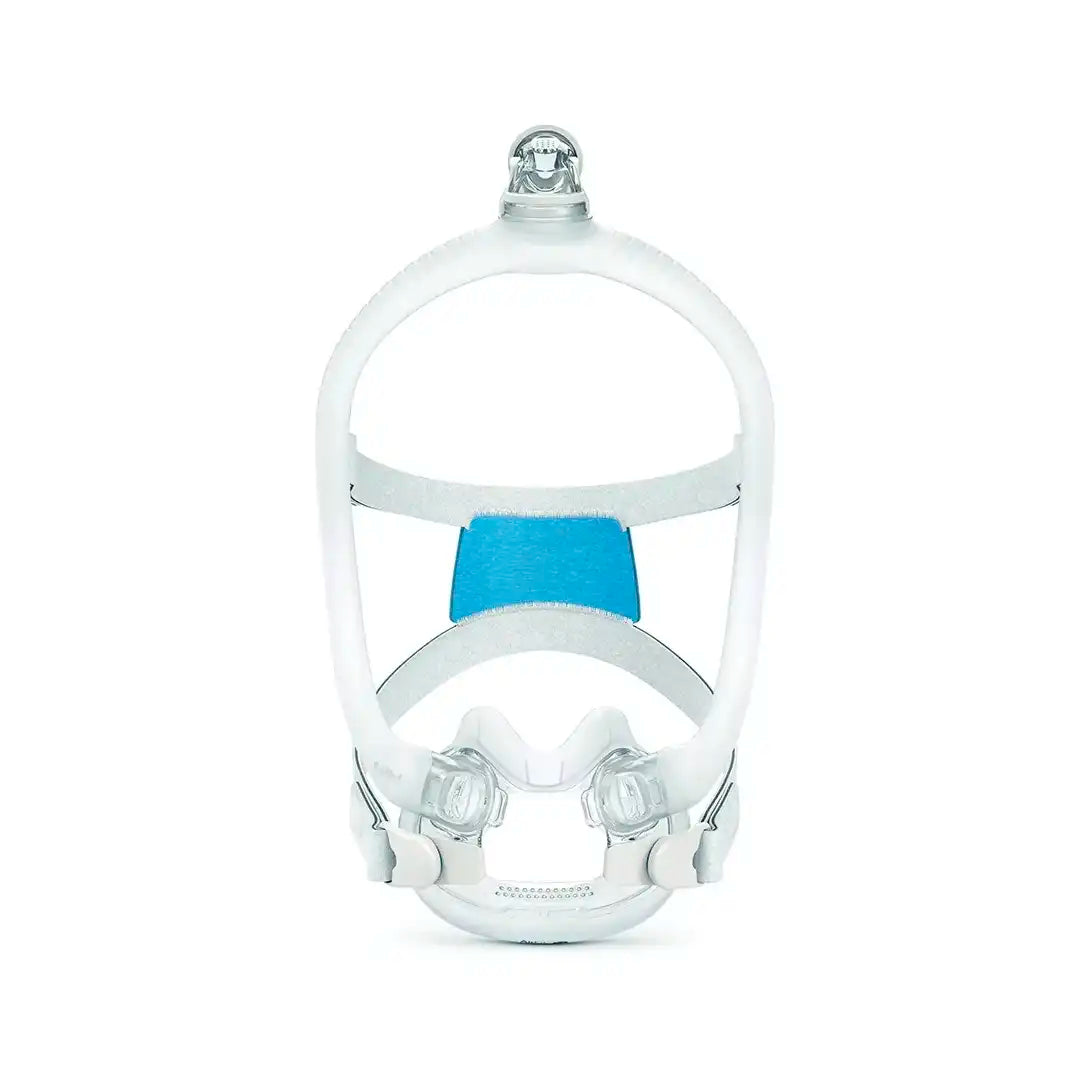
In addition, some users switch to a chin strap instead of a full face mask, since it lets them keep a lighter nasal mask while still preventing air loss through the mouth. This combination often feels less bulky overnight than a full face design, while still solving the same underlying leak problem.
Choosing the Right Fit
Fit matters more than style for chin straps. Because jaw size and head shape vary, an adjustable strap with multiple sizing points fits more people comfortably than a single fixed size. Soft, breathable fabric also reduces skin irritation over nightly use.
If leaks continue even with a sleeping chin strap in place, checking your mask seal separately is worth doing too, since the two issues sometimes overlap. A chin strap supports your jaw, but it cannot fix a mask cushion that no longer seals properly against your face.
Chin Strap vs Full Face Mask
Both options address mouth leaks, though they work differently. A full face mask covers the nose and mouth entirely, sealing off any air escape at the source. A chin strap, on the other hand, pairs with a nasal or nasal pillow mask, physically holding the jaw closed instead of covering the mouth.
Many users prefer the chin strap approach because it feels lighter and less enclosing overnight. Full face masks remain the better choice for higher pressure prescriptions or more severe mouth breathing, so discussing your specific situation with your sleep clinic can help clarify which route fits best.
How to Wear a Chin Strap Correctly
Positioning matters as much as sizing. The strap should sit snugly under the chin and around the back of the head, supporting the jaw without pulling it uncomfortably tight or restricting normal jaw movement. Most straps use hook and loop closures, making small adjustments easy once you find your ideal fit.
Give a new chin strap a few nights before deciding whether it truly works for you and your specific sleep habits. Like any new piece of therapy equipment, there is often a short adjustment period before it starts to feel fully natural to wear night after night.
Signs a Chin Strap Is Working
Reduced morning dryness in your mouth and throat is one of the clearest signs of success. A quieter, leak free mask overnight is another strong indicator, since escaping air often produces a faint hissing sound that disappears once the mouth stays closed.
If your therapy app or machine tracks leak data, comparing nights with and without the chin strap in place can offer objective confirmation that it is genuinely helping, beyond how you simply feel in the morning.
Mouth Tape as an Alternative to a Chin Strap
A chin strap is not the only way to keep your mouth closed during therapy. Mouth tape is a lighter, minimal alternative that some users prefer, particularly if they find a chin strap too bulky or restrictive around the jaw.
Our CPAP Hero Mouth Tape is designed specifically for CPAP users, using a gentle, skin safe adhesive that holds the lips closed without the coverage of a full strap. It also includes a built in tear away section for safety, so it can be removed quickly if needed. Because it is a single use, disposable product, many users like keeping a box on hand as a simple nightly addition rather than a piece of reusable equipment to clean and store.
Whether a chin strap or mouth tape suits you better usually comes down to personal comfort. Some users even try both at different times, depending on how restrictive they want their setup to feel on a given night.
Choosing Between Chin Strap Styles
Chin straps generally come in two designs, a simple single strap that wraps under the chin and around the head, and a dual band style that adds extra support along the sides of the jaw. The dual band version tends to hold more securely for active sleepers who move around a lot overnight and change positions frequently, while a single strap design suits people who mainly need light support and stay fairly still.
Fabric choice also affects comfort over time, especially for anyone who wears their chin strap every single night without exception. Breathable, moisture wicking materials help reduce irritation for nightly use, particularly for anyone who tends to sleep warm. If you have sensitive skin, look for straps with soft, seam free edges along the areas that contact your jawline.
Frequently Asked Questions
Will a chin strap work instead of a full face mask?
For many users, yes, though it depends on how severe your mouth breathing is. Your sleep clinic can help you decide.
Can I wear a chin strap with any type of CPAP mask?
Chin straps typically pair best with nasal or nasal pillow masks, since full face masks already cover the mouth.
How do I know if a chin strap is helping?
Less morning dry mouth and a quieter, leak free mask overnight are the most common signs it is working.
How often should I replace a chin strap?
Most straps last four to six months with regular use, though replacing sooner is worth considering once the elastic starts to loosen or the fabric wears thin.
Can a chin strap cause jaw discomfort?
If fitted too tightly, yes, though a properly adjusted strap should support the jaw gently without any pulling or soreness. Loosening the fit slightly usually resolves this.
Ready to stop losing pressure through your mouth at night? Shop our full range of CPAP chin straps and pair one with your current mask tonight for a more comfortable, leak free sleep.