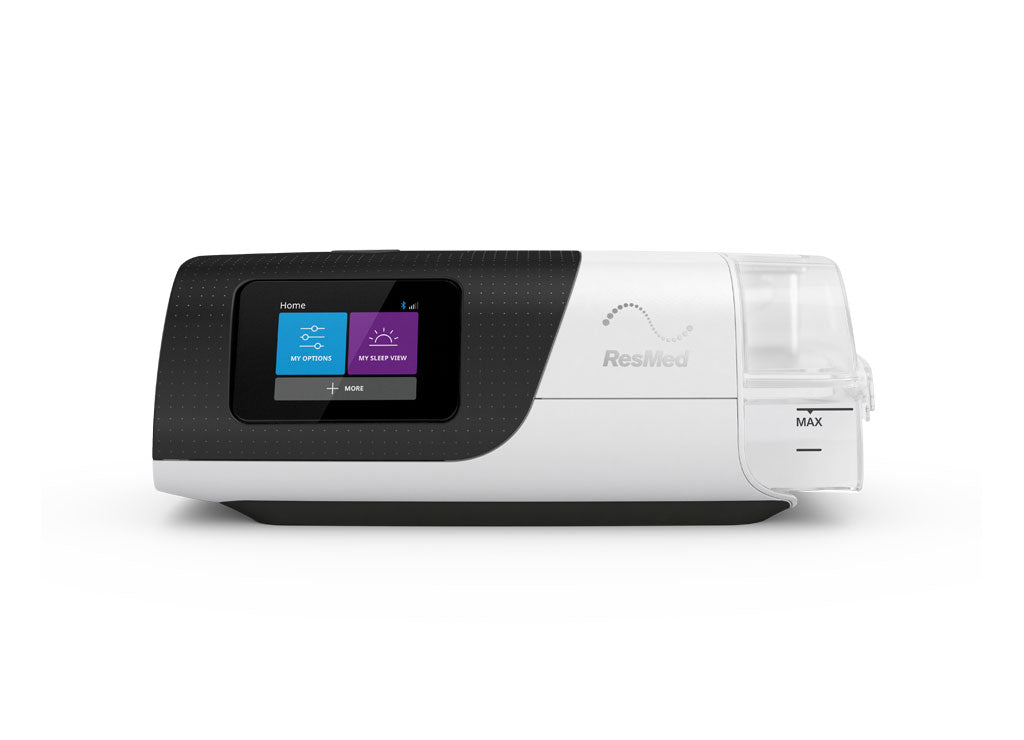

CPAP and bipap machine therapy both treat sleep apnea, but they work differently. CPAP delivers one steady pressure, while a bipap bilevel device delivers two separate pressures for inhaling and exhaling. Understanding this difference helps you know what your prescription actually means. Here is how each therapy works, who typically needs one over the other, and which model to shop for once you know your answer.
How CPAP Therapy Works
CPAP stands for continuous positive airway pressure. It delivers a single constant pressure throughout the night. This steady airflow keeps your airway open so you can breathe evenly while you sleep. Most people newly diagnosed with obstructive sleep apnea start with CPAP therapy first.
Because CPAP holds one pressure the entire night, it works well for straightforward cases of sleep apnea. It is also generally the more affordable option, and machines built for CPAP therapy are widely available with a broad range of features and price points.
How BiPAP Therapy Works
Bilevel pap therapy, often just called BiPAP, delivers two different pressures instead of one. It provides a higher pressure when you breathe in and a lower pressure when you breathe out. Because of that lower exhale pressure, many users find a bilevel machine far easier to tolerate, especially if they struggle to breathe out against a strong constant airflow.
BiPAP machines are commonly prescribed for more complex breathing conditions. These include central sleep apnea, COPD, and certain neuromuscular disorders. As a result, doctors typically reserve BiPAP for patients whose needs go beyond standard CPAP therapy.
Some BiPAP machines also include a backup breathing rate. This feature triggers a breath automatically if the device detects you have not breathed within a set window, which adds an extra layer of support for patients with more complex respiratory needs.
Key Differences Side by Side
Pressure delivery marks the biggest difference between the two. CPAP holds one constant pressure, whereas a bipap machine alternates between two levels. In addition, bilevel machines tend to cost more, since their technology is more advanced.
Comfort is another factor worth noting. Many users who feel like they are fighting the machine on CPAP find BiPAP significantly easier to use. That said, not everyone needs BiPAP, and most standard sleep apnea cases respond well to CPAP alone. If your doctor has confirmed you need bilevel therapy, browse our bilevel and BiPAP machines to compare models built for your exact prescription range.
Size and portability are similar between the two categories overall, though bilevel machines sometimes run slightly larger due to their additional internal components.
Which Therapy Is Right for You
Your sleep study results and your doctor's diagnosis determine which therapy fits your situation. Generally, straightforward obstructive sleep apnea responds well to CPAP. However, if you have a more complex condition, or if CPAP alone has not worked well for you, your doctor may recommend switching to a bilevel pap device.
Because both devices require a valid prescription, always confirm your therapy type with your sleep clinic before purchasing. If you are unsure which category your prescription falls into, the pressure settings listed on your sleep study paperwork are the clearest indicator, and our team can help you interpret them if needed.
What to Expect During the Adjustment Period
Whichever therapy you start with, give yourself time to adapt. Many new users notice the biggest improvement in comfort within the first two to four weeks, as mask fit, humidity settings, and pressure ramp features get dialed in.
If you switch from CPAP to BiPAP, the adjustment period is often shorter, since your body is already used to wearing a mask overnight. The main change to get used to is the shifting pressure between inhale and exhale, which most users describe as more natural feeling once they adapt.
Cost and Insurance Considerations
BiPAP machines generally carry a higher price than standard CPAP devices, reflecting their more advanced technology. Insurance coverage for either device varies significantly by provider and plan, so confirming your specific coverage details before purchasing is worth the extra step.
Many Canadian insurance plans do cover a portion of CPAP or BiPAP costs when a valid prescription is on file, though the exact percentage and any equipment restrictions differ from policy to policy.
Mask Compatibility Between CPAP and BiPAP
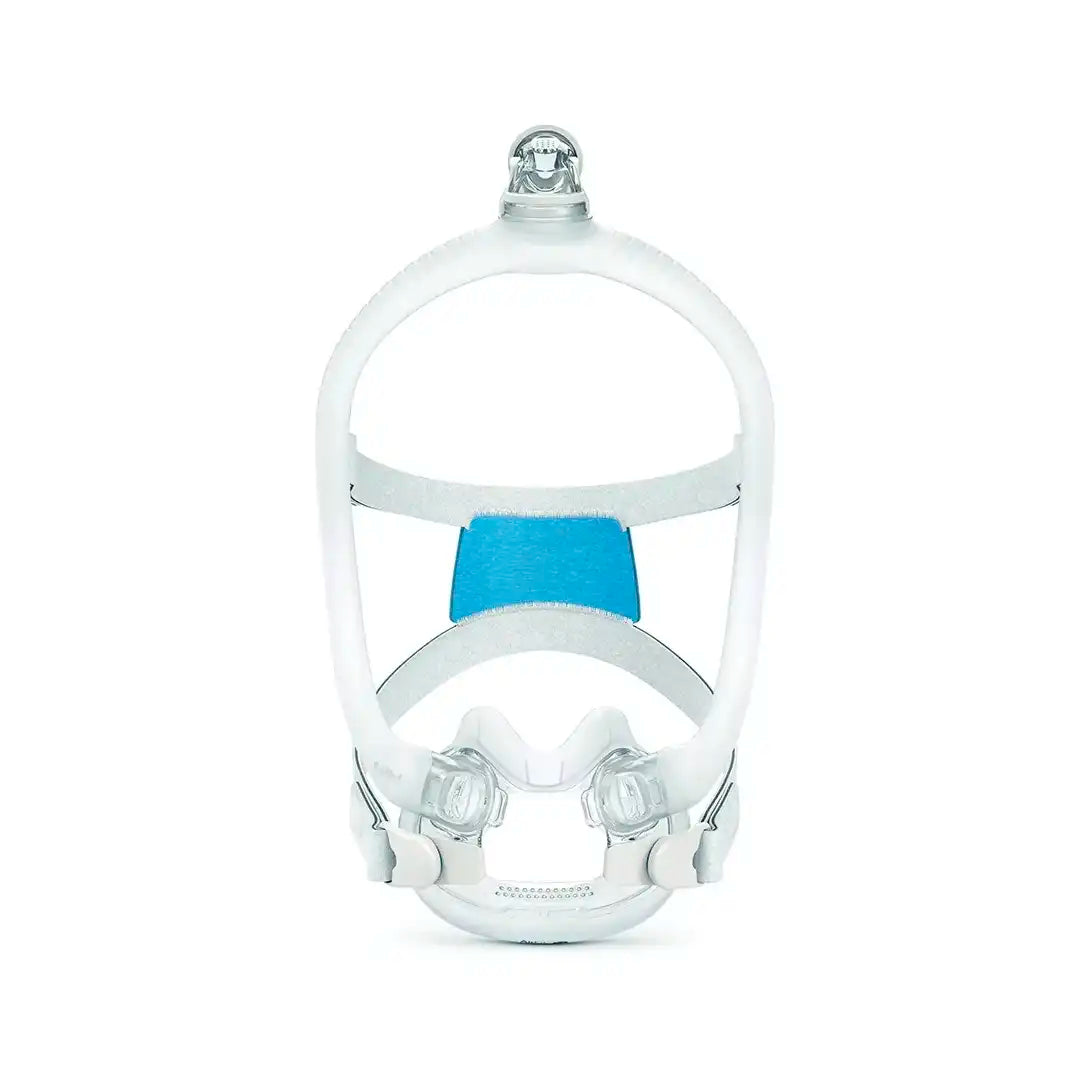
One common question is whether switching between CPAP and BiPAP means buying a new mask too. In most cases, the answer is no. Both therapy types use the same range of nasal, full face, and nasal pillow masks, since the mask itself does not control pressure delivery, the machine does.
That said, higher pressure settings sometimes prescribed with BiPAP therapy can make a full face mask more comfortable for some users, since it distributes airflow across a larger area. If you notice new leaks or discomfort after switching therapy types, revisiting your mask fit alongside your new machine is a reasonable next step. Our team can help you compare mask options against your updated prescription, so you are not left guessing which style still fits your new pressure range.
Frequently Asked Questions
Is BiPAP more expensive than CPAP?
Yes, BiPAP machines generally cost more due to their added technology.
Can I switch from CPAP to BiPAP on my own?
No, switching therapy types requires a new prescription from your doctor.
Does insurance cover BiPAP machines in Canada?
Coverage varies by provider and plan, so checking with your insurer beforehand is recommended.
Will a BiPAP machine feel harder to get used to than CPAP?
Most users adjust within a similar timeframe to CPAP, and many find the alternating pressure more comfortable once they adapt.
Can children use BiPAP or CPAP therapy?
Yes, both therapies are sometimes prescribed for pediatric patients, though pressure settings and mask sizing require close guidance from a pediatric sleep specialist.
Ready to move forward? Explore our full range of bilevel and BiPAP machines, built for more complex therapy needs.