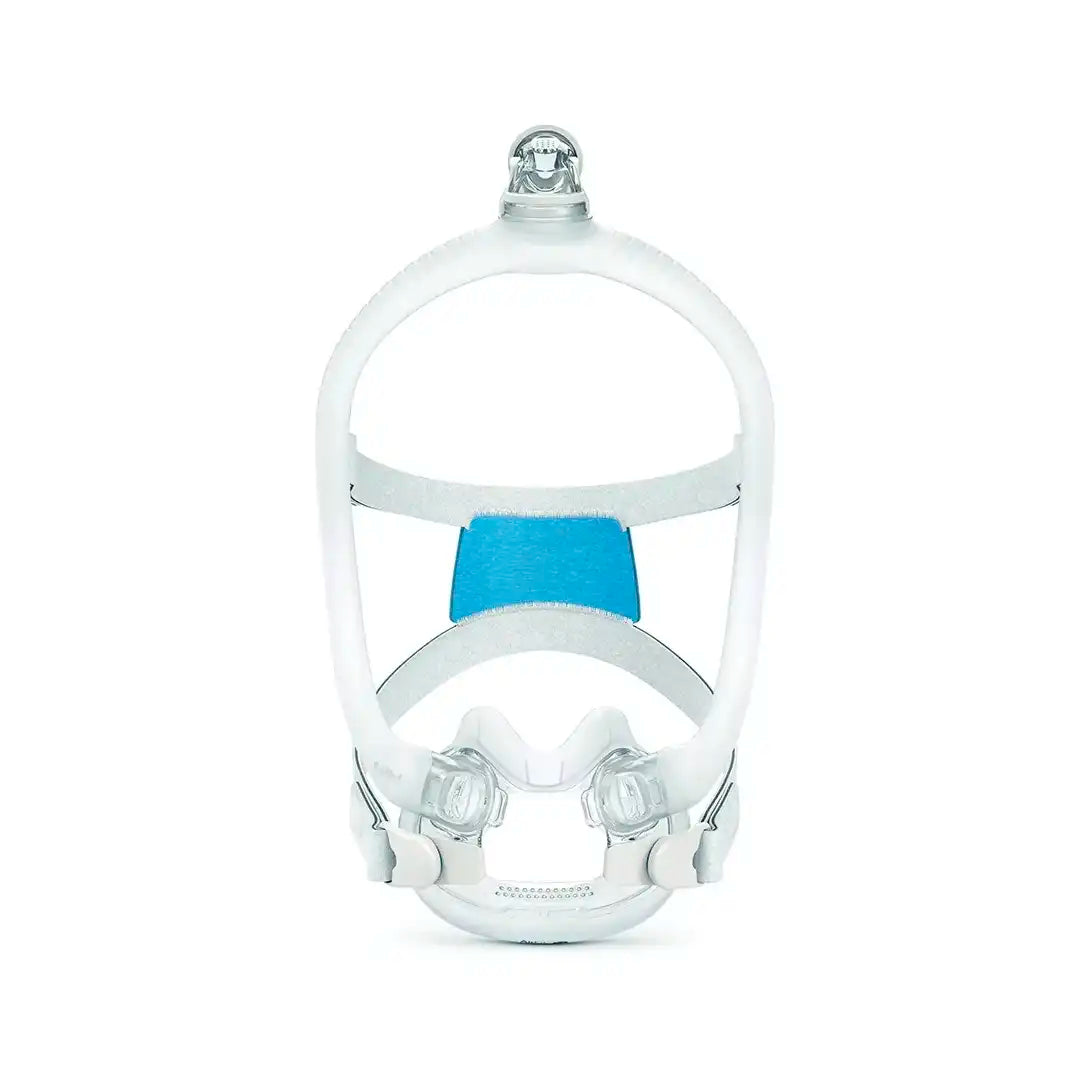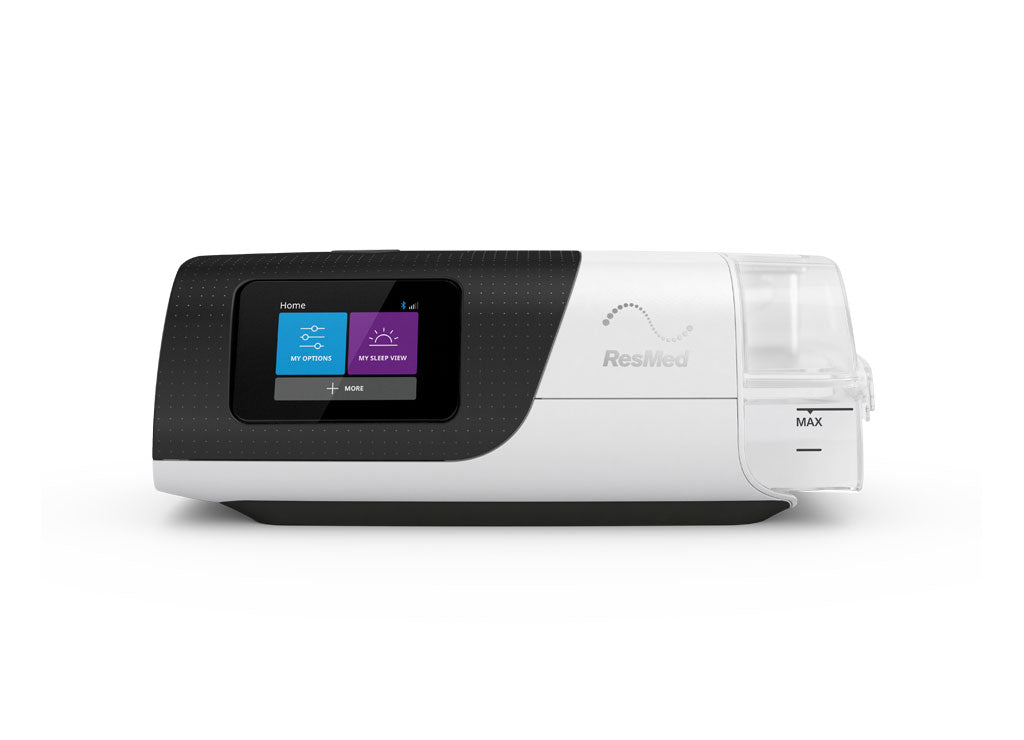

An apnea machine treats sleep apnea by delivering steady air pressure through a mask while you sleep. It keeps your airway open, so your breathing stays even instead of pausing repeatedly through the night. If you were just diagnosed, or you are researching on behalf of a partner or family member, this guide explains the basics before you buy anything.
Why an Apnea Machine Is Needed
Sleep apnea causes your airway to narrow or collapse during sleep. Each time that happens, breathing pauses briefly, sometimes dozens of times a night. As a result, your body never reaches deep, restorative sleep, which leads to daytime fatigue, headaches, and other health risks over time.
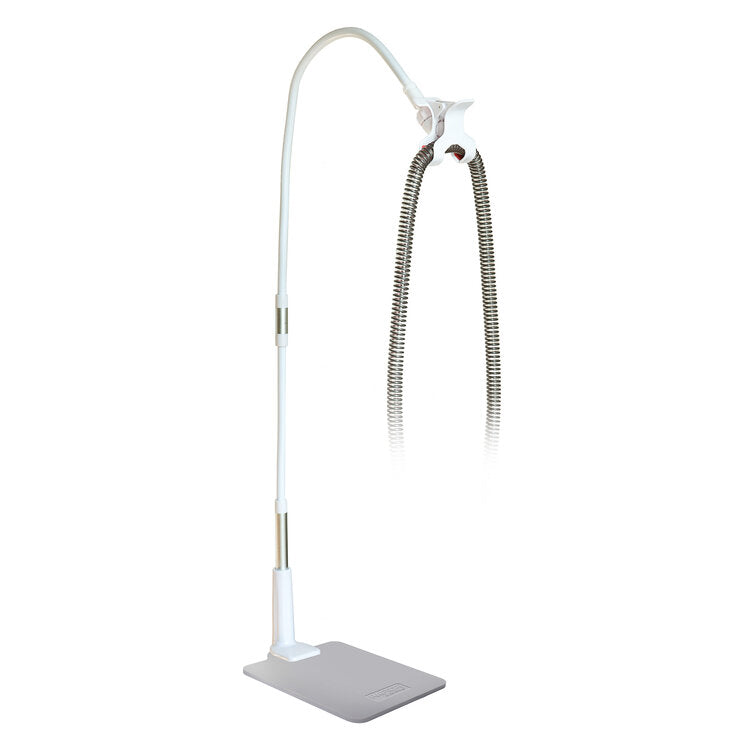
An apnea machine solves this by keeping constant air pressure flowing through a hose and mask. That pressure acts like a splint, holding your airway open so pauses in breathing stop happening. Over weeks of consistent use, many patients report noticeably better energy, mood, and focus during the day.
Types of Sleep Apnea Explained
Obstructive sleep apnea is the most common form, caused by the throat muscles relaxing and blocking the airway during sleep. Central sleep apnea, by contrast, happens when the brain does not send the right signals to the muscles that control breathing. A smaller group of patients experience a combination of both, sometimes called complex sleep apnea.
Your sleep study results will indicate which type you have, since treatment approaches can differ slightly. Most obstructive cases respond well to standard CPAP therapy, while central and complex cases sometimes require a bilevel machine instead.
What Getting Started Actually Looks Like
First, a sleep study confirms your diagnosis and measures how severe your apnea is. Second, a doctor or sleep clinic prescribes a specific pressure range based on those results. Third, you choose a machine and mask that fit your prescription and your comfort preferences.
Most new users adjust within the first few weeks. Because comfort makes the biggest difference in whether people stick with therapy, taking time to choose the right mask style matters just as much as choosing the machine itself.
What Happens During a Sleep Study
A sleep study, also called polysomnography, measures your breathing, oxygen levels, heart rate, and brain activity while you sleep. This can take place overnight in a sleep clinic or, increasingly, through a simplified at home testing kit provided by your doctor.
Results from the study calculate your apnea hypopnea index, a number representing how many breathing interruptions occur per hour. That number, along with your doctor's assessment, determines your prescribed pressure settings and whether standard CPAP or bilevel therapy fits your needs.
Common Concerns for First Time Users
Many new users worry about noise, comfort, or feeling closed in. Modern machines run much quieter than older models, and mask designs today are lighter and less bulky. In addition, most machines include a ramp feature, so pressure starts low and increases gradually as you fall asleep.
Some patients also worry about becoming dependent on the machine. In reality, an apnea machine simply treats the underlying airway issue while you sleep, similar to how glasses correct vision without changing your eyes permanently. Nightly use is simply part of ongoing, effective treatment.
If you are still deciding whether therapy is right for you, talking with your doctor about your sleep study results is the best next step.
Building a Routine That Sticks
Consistency matters more than perfection when you are first starting therapy. Wearing your mask every night, even for shorter naps, helps your body adjust faster than skipping nights here and there. Many clinics recommend tracking your first month using your device's connected app, since seeing steady, measurable improvement night after night can be genuinely motivating during that early adjustment period.
If discomfort persists well past the first few weeks, do not simply assume you need to push through it. A different mask size, a small pressure adjustment, or added humidification often resolves lingering issues quickly and without much extra cost.
Signs You May Benefit From an Apnea Machine
Loud, chronic snoring is one of the most noticeable signs of sleep apnea, especially when a partner reports pauses in breathing followed by gasping or choking sounds. Waking up with a dry mouth, morning headaches, or feeling unrested despite a full night of sleep are also common indicators worth mentioning to your doctor.
Daytime symptoms matter too. Persistent fatigue, difficulty concentrating, or falling asleep during quiet activities like reading or watching television can all point toward undiagnosed sleep apnea. Mood changes and irritability are also commonly reported, since poor sleep quality affects far more than just energy levels. None of these signs confirm a diagnosis on their own, but together they are often enough for a doctor to recommend a sleep study.
Frequently Asked Questions
Is an apnea machine the same as a CPAP machine?
Yes, apnea machine is a common way people refer to a CPAP machine, which is the standard device used to treat sleep apnea.
Do I need a prescription to buy one?
Yes, a valid prescription from a doctor or sleep clinic is required for most machines sold in Canada.
How long does it take to get used to using one?
Most people adjust within a few weeks, though comfort improves faster with the right mask fit.
What happens if my sleep apnea is left untreated?
Untreated sleep apnea can contribute to ongoing fatigue and other health risks over time, which is why starting therapy soon after diagnosis is generally recommended.
Can I do a sleep study at home instead of a clinic?
Many patients now qualify for at home sleep testing kits, though your doctor will determine whether an in clinic study is more appropriate for your situation.
Once you have your prescription in hand, shop our full range of CPAP machines to find a model that matches your therapy needs and fits comfortably into your nightly routine.