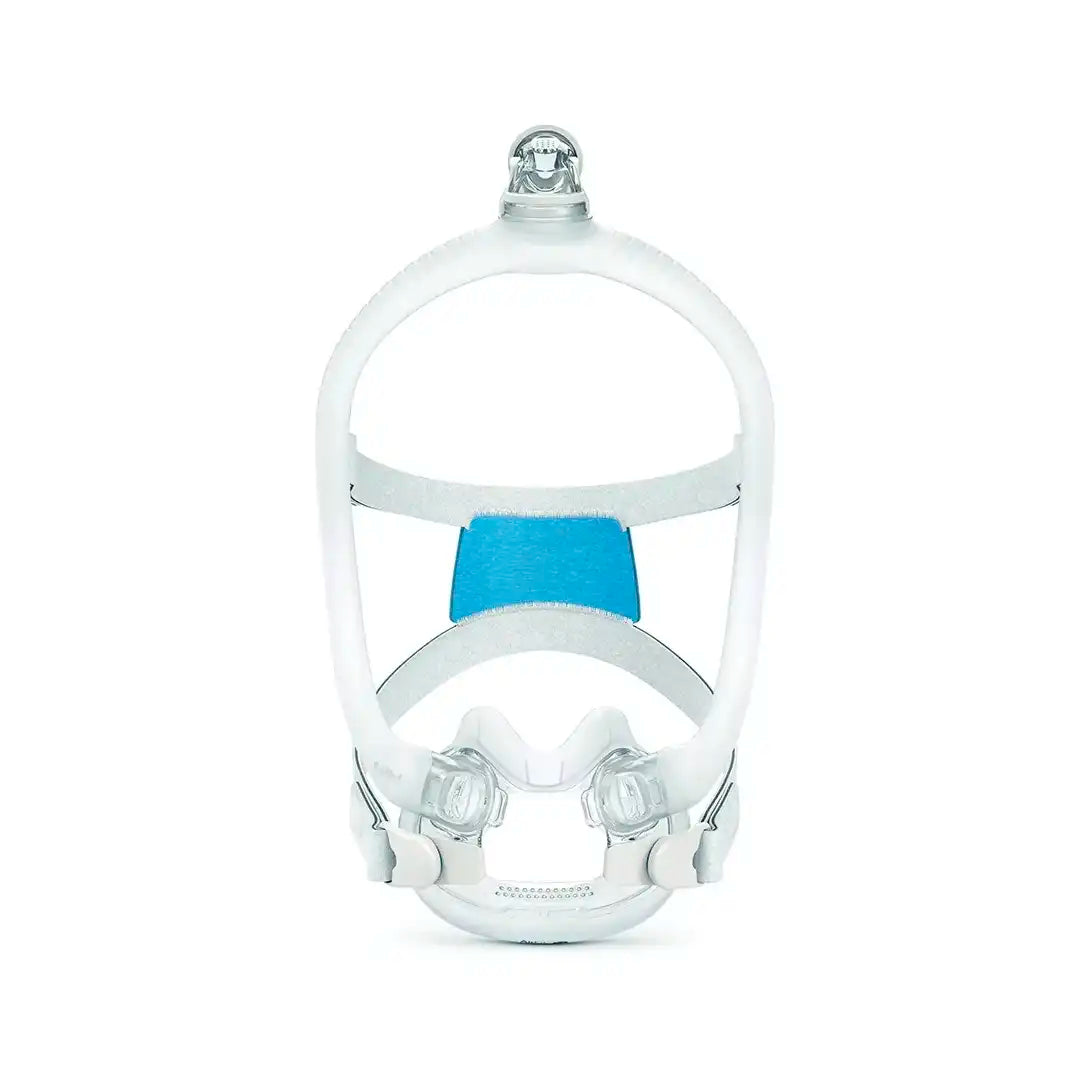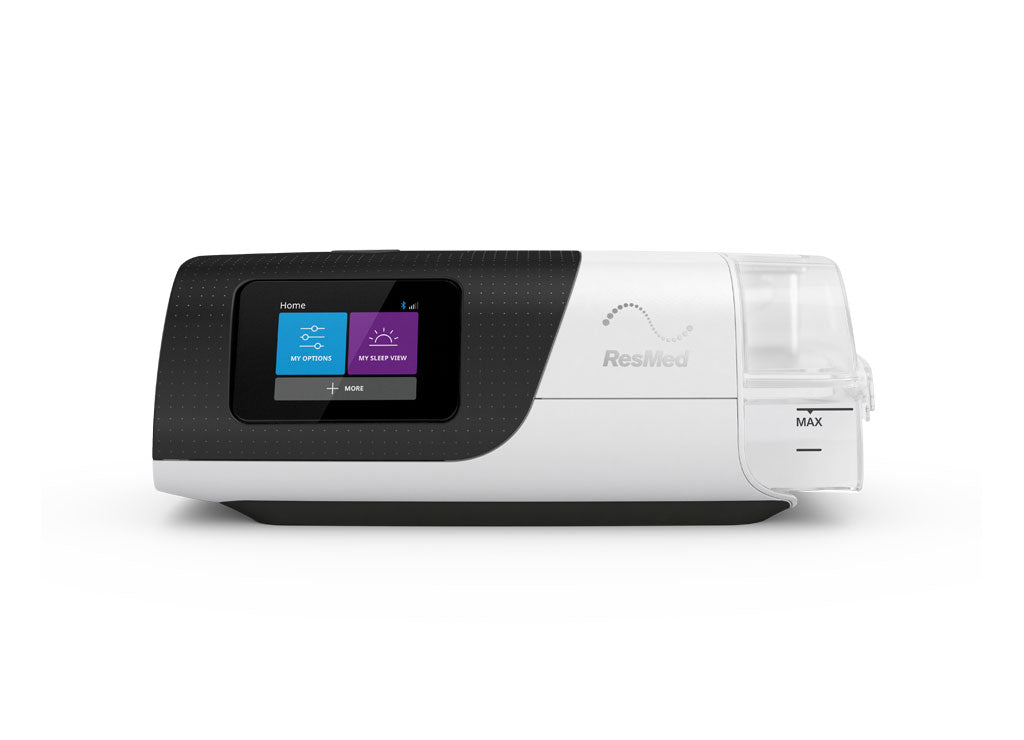

A cpap machine delivers steady air pressure through a mask while you sleep. It keeps your airway open so you can breathe normally through the night. Choosing the right cpap machine canada shoppers can rely on depends on your prescription, your comfort needs, and how often you travel. This guide walks you through every factor that matters before you buy, then points you to the exact models worth shortlisting.
What a CPAP Machine Actually Does
Sleep apnea happens when your airway collapses or narrows during sleep. As a result, your breathing pauses over and over each night. A cpap machine, short for continuous positive airway pressure, pushes a steady stream of air through a hose and mask. That gentle pressure holds your airway open, so breathing stays smooth and consistent.
Most machines also include a humidifier. Because dry air can irritate your nose and throat, added moisture makes therapy much more comfortable. Many newer devices track your sleep automatically too, so you and your doctor can review your progress over time.
Without therapy, sleep apnea does more than disrupt a single night. Over time it can contribute to daytime fatigue, high blood pressure, and other health concerns. That is why sticking with a comfortable, well fitted machine matters just as much as owning one in the first place.
Key Features to Compare Before You Buy
First, look at noise level. A quiet machine matters most if you share a bed or a bedroom. Second, check the pressure range, since your prescription determines what your device needs to deliver. Third, consider size and portability, especially if you plan to travel often.
In addition, humidification matters for comfort. Built in heated humidifiers reduce dryness far better than none at all. Finally, think about data tracking. Devices with smartphone apps make it easier to spot patterns and share results with your sleep clinic. Our ResMed AirSense 11 covers all four of these points in one device, which is why it is our most requested model for new therapy patients.
Screen type is another small but meaningful detail. Touchscreen displays make nightly adjustments simpler, while older dial and button designs still work fine but take a bit more getting used to. If you expect to check your settings often, a touchscreen model may be worth the small price difference.
Auto CPAP vs Standard CPAP
A standard CPAP delivers one fixed pressure all night long. An auto CPAP, however, adjusts pressure automatically based on your breathing in real time. As a result, many users find auto machines more comfortable, since pressure only rises when they actually need it. Most of the CPAP machines Canadians buy today, including the ResMed AirSense 11 AutoSet and the ResMed AirSense 10 AutoSet, fall into this auto category.
That said, your doctor's prescription will usually specify which type fits your therapy plan. If you are unsure which one you need, ask your sleep clinic before buying. Switching between the two types later on is usually possible, though it typically requires an updated prescription first.
Choosing Based on How You Sleep and Travel
If you travel often, a compact travel CPAP can replace a bulkier home unit. These smaller devices still deliver full therapy, though battery life and noise levels vary between models. Meanwhile, if you mostly sleep at home, a full size machine usually offers a wider pressure range and stronger humidification.
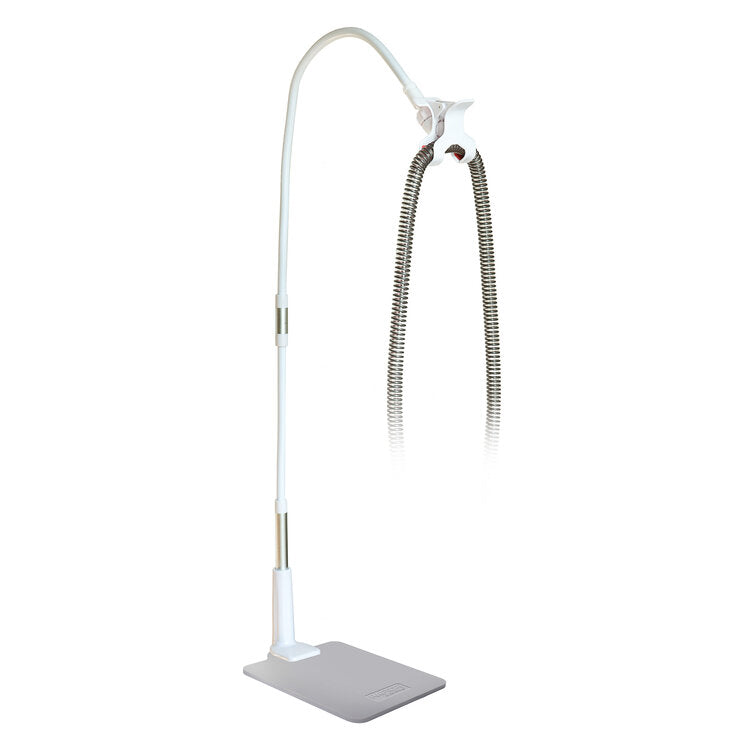
Similarly, side sleepers and back sleepers often benefit from different hose designs and tubing lengths. Testing a demo unit in person, when possible, can help you judge comfort before committing. If in person testing is not an option, reading detailed product descriptions and asking our team specific questions about hose length and mask compatibility is a solid substitute.
Getting Set Up for the First Time
Once your machine arrives, setup usually takes only a few minutes. First, connect the humidifier chamber and fill it with distilled water. Second, attach your hose and mask. Third, enter your prescribed pressure settings, either directly on the device or through the connected app, depending on your model.
Give yourself time to adjust. Most new users need a few weeks before therapy feels fully comfortable, and small tweaks to mask fit or humidity level often make a big difference during that period.
Maintaining Your Machine Over Time
Regular cleaning keeps your therapy effective and extends the life of your device. Wipe down the mask and tubing daily, and wash the humidifier chamber with mild soap weekly. Because filters trap dust and airborne particles, replacing them on the schedule your manufacturer recommends helps protect both your machine and your lungs.
If you ever notice unusual noise, reduced airflow, or a burning smell, stop using the device and contact our team, since these can signal a part that needs replacing.
Frequently Asked Questions
How long does a CPAP machine last?
Most machines last three to five years with regular cleaning and filter changes.
Can I use any mask with any machine?
Most masks fit most machines, though checking compatibility with your specific model is still worth doing first.
Do I need a prescription to buy a CPAP machine in Canada?
Yes, a valid prescription from a doctor or sleep clinic is required for most machines sold in Canada.
How do I know if my machine needs a new filter?
Most manufacturers recommend checking filters monthly and replacing them as soon as they look discolored or clogged.
What happens if I stop using my CPAP machine for a few nights?
Skipping a night or two will not cause lasting harm, though sleep quality typically drops right away, and getting back into a nightly routine as soon as possible is the best way to keep your therapy on track.
Ready to find the right fit? Shop our full range of CPAP machines, including the AirSense 11 and AirSense 10, or contact our team for help matching a device to your prescription.