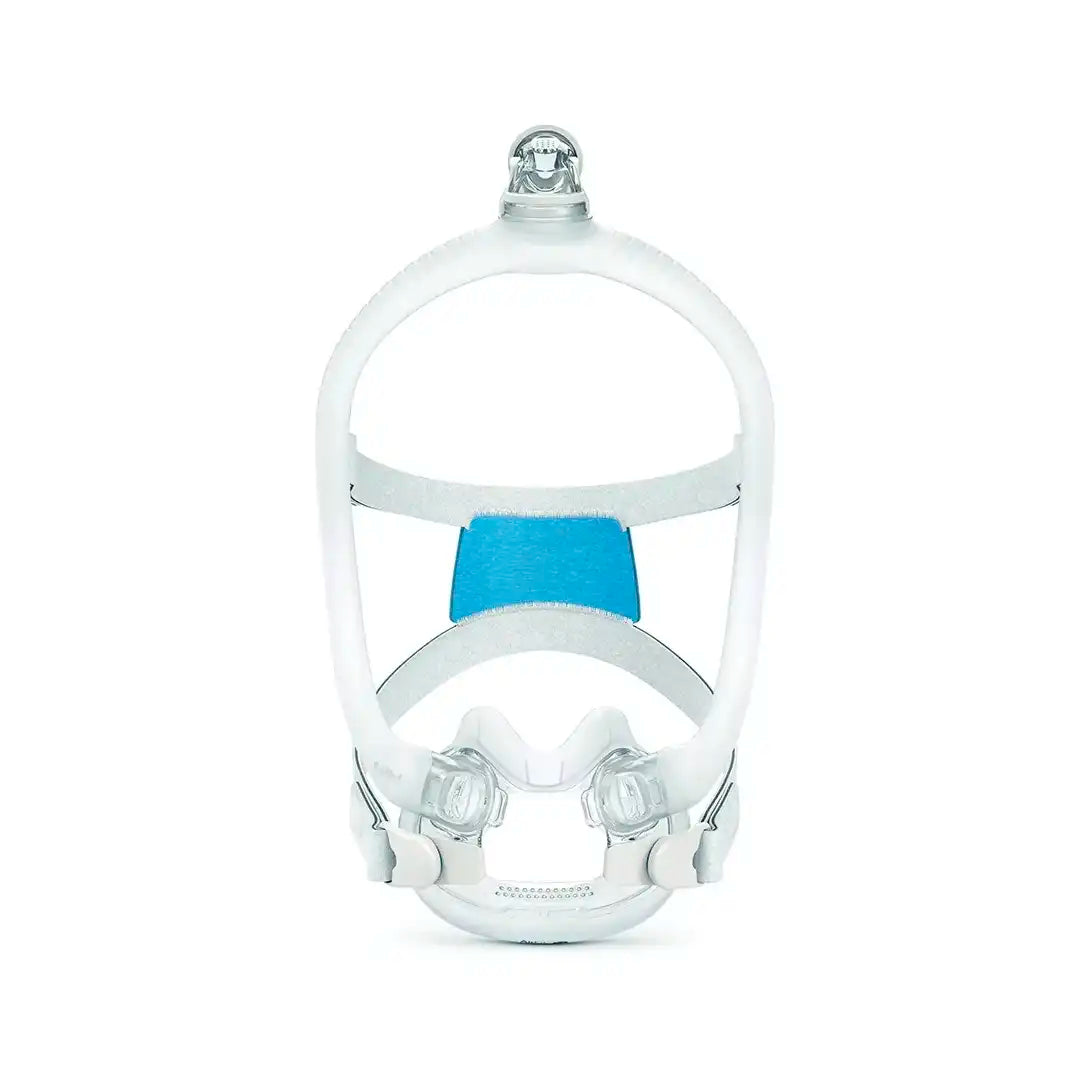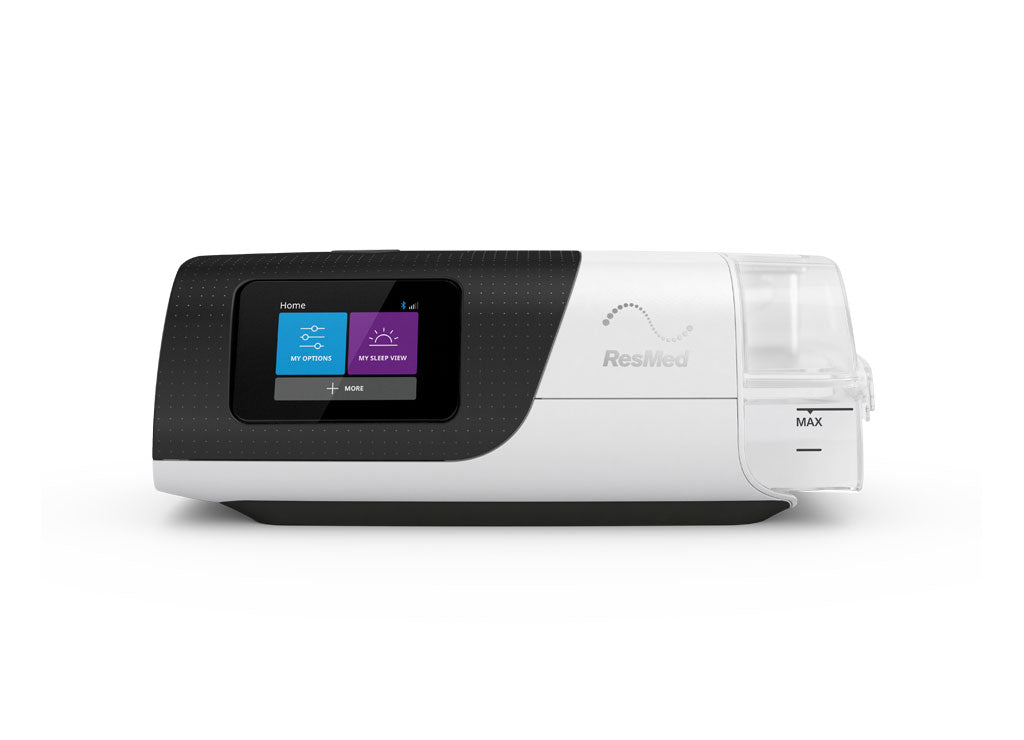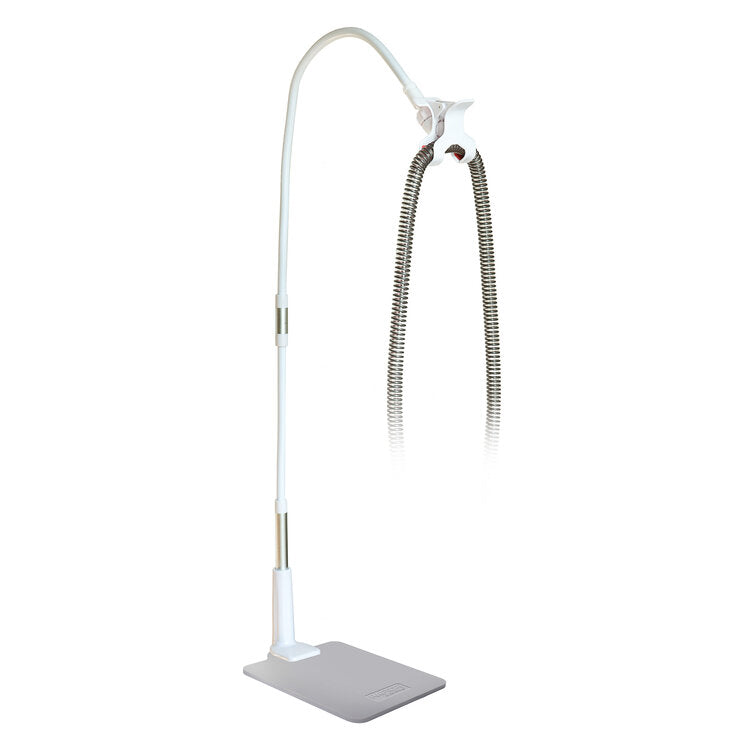

The right cpap mask depends on how you breathe, how you sleep, and how your face fits. Choosing poorly often leads to leaks, discomfort, or skipped therapy nights. This guide walks through every mask type so you can match one to your needs, then shop the exact style that fits.
The Three Main Types of CPAP Masks
Nasal masks cover only the nose and work well for most users. They tend to feel less bulky and suit people who breathe through their nose while sleeping.
Full face masks cover both the nose and mouth instead. As a result, they suit mouth breathers or anyone who needs higher pressure settings.
Nasal pillow masks sit directly under the nostrils. Because they are the smallest and lightest option, many users find them ideal for reading, wearing glasses, or side sleeping. Whichever style fits your breathing pattern, every cpap mask we carry is organized by type so you can filter straight to it.
Each style also differs slightly in how much of your field of vision it blocks, which matters if you like to read or watch television before falling asleep. Nasal pillow masks leave the most open space, while full face masks cover the widest area.
Matching a Mask to Your Sleep Position
Side sleepers often do best with nasal pillow masks or low profile nasal masks, since these designs stay in place against a pillow. Back sleepers, on the other hand, usually have more flexibility, since a wider range of masks work well in that position.
Stomach sleepers face the toughest fit. Therefore, minimal contact designs like nasal pillows tend to work best for this group. If you regularly change positions throughout the night, a mask with a flexible, swivel style hose connector can help reduce tugging and accidental disconnection.
Getting the Right Fit
A proper seal matters more than the mask style itself. Because every face shape differs, sizing charts and fit guides help narrow down your options before buying. Straps should feel snug, not tight, and cushions should sit flush against your skin without pinching.
If you experience frequent leaks, first check your strap tension. Second, confirm you selected the correct cushion size. Finally, replace worn cushions regularly, since even small wear can break the seal. A fresh cpap mask cushion is one of the simplest, lowest cost fixes for nightly leaks.
Facial hair can also affect seal quality, particularly around the jawline and upper lip. If you have a beard or mustache, a nasal pillow mask often creates a more reliable seal than a full face design, since it avoids that area entirely.
Cleaning and Replacement Schedule
Daily cleaning keeps your mask hygienic and extends its lifespan. Wipe the cushion each morning with a mild, fragrance free cleaner, and wash the full mask weekly with warm soapy water. Because oils from your skin and residue from humidified air build up over time, regular cleaning also helps preserve the seal quality.
Most cushions need replacing every one to three months, while headgear straps typically last four to six months before the elastic loosens. Keeping a spare cushion on hand means you are never stuck mid therapy with a worn out seal.
Common Complaints and How to Fix Them
Red marks or skin irritation usually point to straps that are too tight, or a cushion size that does not quite match your face shape. Loosening or tightening your mask straps to find a snug, even fit, or trying one size up or down, often resolves this quickly.
If irritation continues, a moisturizing skin barrier can help protect against friction and dryness where the mask sits. Choose a water based cream rather than an oil based one, since oil can break down silicone cushions over time and weaken the seal. Our AeroMate Moisturizer and Mask Sealer is water based and made specifically for CPAP users, so it soothes skin without affecting mask performance.
Noise from air leaking around the mask edge is almost always a seal problem rather than a machine problem. Checking cushion position and strap tension first will usually solve it before you need to consider a different mask style entirely.
Dry mouth, even with a nasal mask, often signals that air is escaping through your mouth overnight. In that case, pairing your current mask with a chin strap, or switching to a full face design, typically resolves the issue.
When to Consider Trying a Different Mask Entirely
Sometimes the right fix is not a smaller cushion or a tighter strap, but a completely different mask category. If you have tried adjusting fit multiple times and still wake up with leaks or marks, moving from a nasal mask to a nasal pillow, or from a nasal design to full face, is a reasonable next step.
Many patients settle into their ideal mask only after trying two or three styles. Because comfort is so personal, what works well for one person may not suit another, even with an identical prescription. Keeping an open mind during the first few months of therapy often leads to a much better long term fit than sticking with the first mask you were given.
If you are between two styles and unsure which to try, our team can walk through your sleep position, pressure setting, and past experience with masks to help narrow the choice before you buy.
Frequently Asked Questions
How often should I replace my CPAP mask cushion?
Most manufacturers recommend replacing cushions every one to three months, depending on wear.
Can I switch mask types without a new prescription?
Yes, mask style is a personal comfort choice and does not usually require a new prescription.
What causes CPAP mask leaks?
Leaks usually come from incorrect sizing, worn cushions, or improper strap adjustment.
Is it normal for a new mask to feel uncomfortable at first?
Some adjustment period is common, though ongoing discomfort after a week or two usually means the size or style needs revisiting.
Do I need a different mask for travel?
Not necessarily, since most masks work with both home and travel machines, though some travelers prefer a lighter nasal pillow style to save space and weight in a carry on bag.
Browse our full collection of CPAP masks, including nasal, full face, and nasal pillow styles, to find your best fit today and start sleeping more comfortably tonight.